
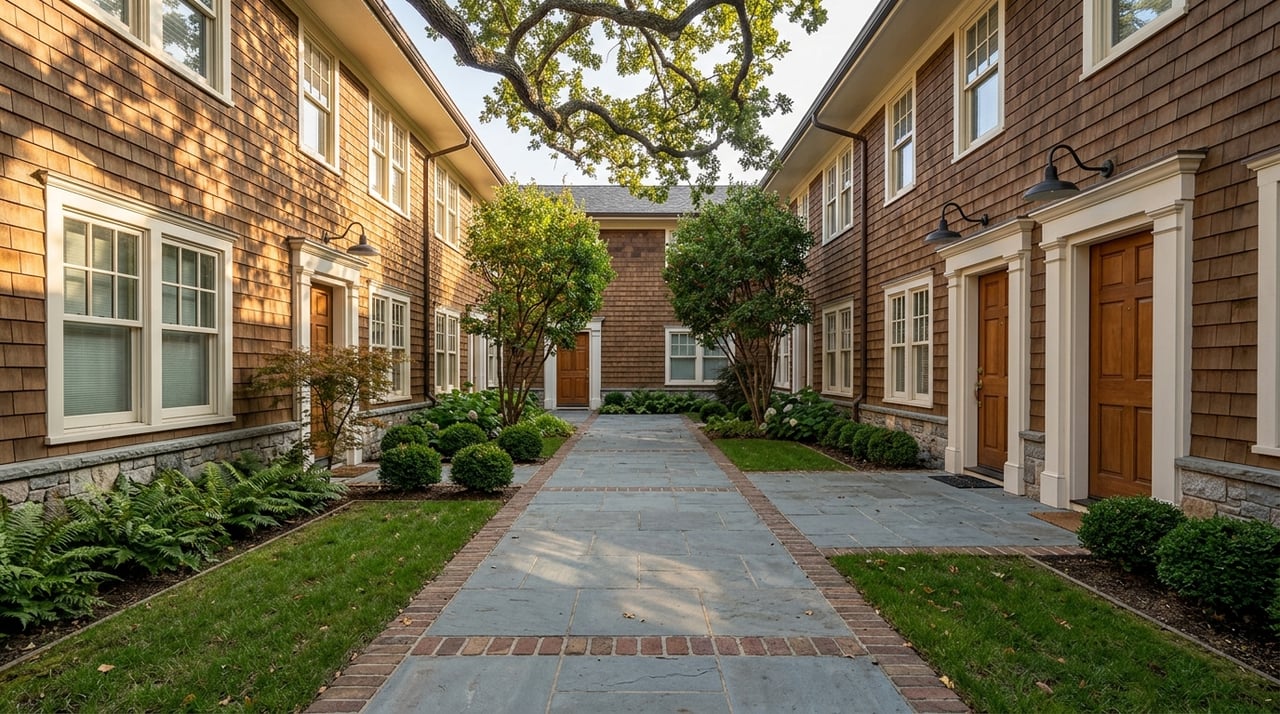
If you want a foothold in Campbell without stepping all the way up to detached-home pricing, a condo may be the most practical path. But in this market, the unit itself is only part of the decision. You also need to understand the HOA, the ownership structure, the financing rules, and the location tradeoffs that can affect your monthly costs and long-term flexibility. Let’s dive in.
Campbell condo market at a glance
Campbell remains a high-cost Silicon Valley market, which is why condos often attract first-time buyers, downsizers, and buyers who want a lower entry point than a detached home. As of March 31, 2026, Zillow reported Campbell’s average home value at $1,977,422, while Redfin reported a March 2026 median sale price of $1,737,500 across all home types.
Within active inventory, Redfin showed 11 condos for sale at a median listing price of $894,000 and 32 townhomes for sale at a median listing price of $1.41 million. Condos were averaging about 25 days on market, while townhomes were averaging about 17 days. That makes condos the clearest lower-price ownership tier in Campbell, with townhomes sitting above them in price.
For many buyers, that spread matters. Based on those active-market medians, townhomes were roughly half a million dollars above condos. If you are weighing budget, monthly payment, and space, that price gap can help frame whether a condo is the right first step.
Why condos appeal in Campbell
A condo can make sense if you want ownership in Campbell with a lower upfront cost than many other property types. In practical terms, condos often give you access to a desirable location while shifting some exterior maintenance and shared-area responsibility to the HOA.
That convenience comes with a tradeoff. Your ownership experience depends more heavily on the financial health and rules of the association than it would in a detached home. In Campbell, that means condo buying is not just about square footage or finishes. It is also about reading the documents carefully and understanding what you are really buying.
Campbell locations condo buyers watch
Downtown Campbell
Downtown Campbell is one of the city’s most walkable and active areas. The city describes it as the historic birthplace of Campbell and a vibrant shopping and entertainment district with more than 100 shops, services, and restaurants.
The city’s planning documents also position Downtown as a walkable, transit-oriented area with residential uses near commercial and transportation services. Campbell Station sits on VTA’s Green Line, and the city identifies major stations in the Hamilton, Downtown, and Dell Avenue business districts. If you want easier access to dining, errands, and transit, this area often rises to the top of the list.
That said, walkability can come with premium pricing. Redfin’s Downtown Campbell market page showed a March 2026 median sale price of $1.57 million, up 12.1% year over year, with median days on market at 55. That combination suggests buyers still place strong value on amenity-rich locations, even when homes take longer to sell.
Pruneyard and Bascom corridor
The Pruneyard and Bascom corridor is another key area for condo buyers who want nearby retail and dining. The city describes the Pruneyard as a 27-acre regional shopping center and hotel complex, and its economic development materials identify it as a regional draw.
This corridor also connects to one of Campbell’s broader lifestyle benefits. The city notes that Los Gatos Creek Trail runs by the business districts, which can add everyday convenience for buyers who value recreation and connectivity. For many condo shoppers, this area offers a practical mix of access, activity, and established amenities.
Condo vs townhome vs detached home
Campbell’s own land-use definitions help clarify the comparison. The city defines a single-family dwelling as fully detached, while its multi-family category includes apartments, townhomes, and condominium developments.
In real life, that usually means detached homes offer the most control and the most maintenance responsibility. Condos usually offer the lowest entry price and the highest HOA dependence. Townhomes often sit in the middle, but the exact ownership and maintenance split can vary from one project to another.
That last point is especially important in California. The Department of Real Estate explains that a townhome is an architectural description, not a legal ownership category. A townhome can be structured as a condominium or as a planned development, so the title, deed, and governing documents matter more than the exterior style.
What you actually own matters
One of the biggest mistakes buyers make is assuming the walls, patio, balcony, or outdoor area are owned in the way they expect. In a condo project, you generally own a separate interest along with shared rights in the common area. Some spaces that feel private, such as balconies, patios, and porches, may actually be exclusive-use common area rather than individually owned space.
That distinction affects maintenance, repair responsibility, insurance questions, and resale expectations. Before you remove contingencies, you want to know exactly what the deed conveys and what the CC&Rs say. In Campbell condo and townhome purchases, legal structure often matters just as much as layout.
HOA documents deserve close review
In California, the HOA resale disclosure package is extensive, and for good reason. Sellers must provide governing documents, current regular and special assessment information, unpaid fees or fines, approved but not-yet-due assessment changes, unresolved violation notices, requested board minutes from the prior 12 months, and the most recent SB 326 inspection report.
The association must provide requested documents within 10 days of a written request and may charge only a reasonable fee tied to actual cost. For you as a buyer, this package can reveal whether a community is stable, underfunded, tightly managed, or facing upcoming costs.
When I advise buyers on attached housing, I look at these documents as part of the property itself. A lower purchase price can lose its appeal quickly if the HOA budget is weak, reserves are thin, or major repairs are already on the horizon.
Reserve funding and safety inspections
Two issues deserve extra attention in condo communities: reserve health and exterior safety. California requires HOA reserve studies at least every three years, and those studies must address remaining useful life, repair costs, and the reserve funding plan.
California also requires periodic inspections of certain exterior elevated elements under the balcony and deck law. A random statistically significant sample of qualifying decks, balconies, stairways, and walkways more than six feet above ground must be visually inspected at least every nine years when those elements are supported in whole or substantial part by wood or wood-based products.
If an inspector finds an immediate threat, the HOA must restrict access and notify local code enforcement. For buyers, that means the latest reserve information and SB 326 report are not just paperwork. They can point to future expenses, deferred maintenance, and potential safety issues.
Financing can depend on the project
With condos, loan approval is not always just about your income, credit, and down payment. The project itself can affect financing. HUD notes that FHA condo project approval can depend on factors such as insurance coverage, financial condition, title issues, pending legal action, physical property condition, and other concerns that affect viability or marketability.
In plain terms, a well-located condo can still be harder to finance if the HOA or project does not meet lender standards. If financing matters to your plan, confirm project eligibility early. That step can save time, reduce surprises, and help you focus on homes that match your financing path.
Local programs worth asking about
For first-time buyers, Campbell’s housing programs page points to two resources worth discussing with your lender team early in the process. Santa Clara County’s Mortgage Credit Certificate program may help buyers purchasing single-family homes, townhomes, and condominiums.
The city also notes Housing Trust Silicon Valley’s HELP program, which can support households up to 140% of area median income buying a market-rate primary residence. Not every buyer will qualify, but it is worth screening for these options before you decide what monthly payment feels realistic.
Smart due diligence before you buy
A condo purchase in Campbell should include both unit-level and project-level review. The California Department of Real Estate advises buyers to budget for HOA dues, special taxes, and assessments, inspect electrical, plumbing, and structural integrity, and review all purchase documents carefully.
A strong condo review process usually includes these steps:
- Verify the recorded ownership structure, especially if the property is marketed as a townhome
- Review the CC&Rs, budget, reserve summary, and board minutes
- Check for pending or possible special assessments
- Ask about unresolved violations, litigation, and rental restrictions
- Review the latest SB 326 inspection report
- Confirm lender approval or project eligibility early
This is where experienced guidance matters. In attached housing, the risks are often hidden in the details, not the photos.
How to decide if a Campbell condo fits you
A condo may be a good fit if you want to enter Campbell at a lower price point, stay close to major amenities, or keep exterior maintenance more streamlined. It can also work well if you value location over square footage and are comfortable with HOA rules and shared decision-making.
A townhome may be worth the stretch if you want more separation or a different maintenance split, but that depends on the project. A detached home may offer more control, but in Campbell it usually comes at a much higher price and with greater upkeep. The right choice comes down to your budget, your lifestyle, and how much project-level complexity you are willing to take on.
Buying in Campbell is rarely a one-size-fits-all decision. If you want a clear picture of value, ownership structure, and the real cost of a condo versus other options, working with a local advisor can help you move with confidence. If you are thinking about buying a condo in Campbell, Saundra Leonard can help you evaluate the numbers, the documents, and the tradeoffs so you can make a smart decision.
FAQs
What is the typical price range for condos in Campbell?
- Redfin showed active Campbell condos at a median listing price of $894,000 in the current market snapshot, which positioned condos as the lower-price ownership tier compared with townhomes.
What should you review before buying a Campbell condo?
- You should review the CC&Rs, HOA budget, reserve summary, board minutes, assessment history, unresolved violations, rental rules, title report, and the latest SB 326 inspection report.
Why does the HOA matter when buying a Campbell condo?
- The HOA can affect your monthly costs, financing options, maintenance responsibilities, future assessments, and even the long-term marketability of the unit.
Are Campbell townhomes the same as condos?
- Not always. In California, a townhome is an architectural style, not a legal ownership type, so a townhome can be structured as a condominium or a planned development.
Which Campbell areas are popular for condo buyers?
- Downtown Campbell and the Pruneyard/Bascom corridor stand out because they offer strong access to shops, dining, and transit-oriented amenities.
Can first-time buyers get help buying a condo in Campbell?
- Campbell’s housing programs page notes that Santa Clara County’s Mortgage Credit Certificate program and Housing Trust Silicon Valley’s HELP program may support eligible buyers purchasing condominiums and other primary residences.