
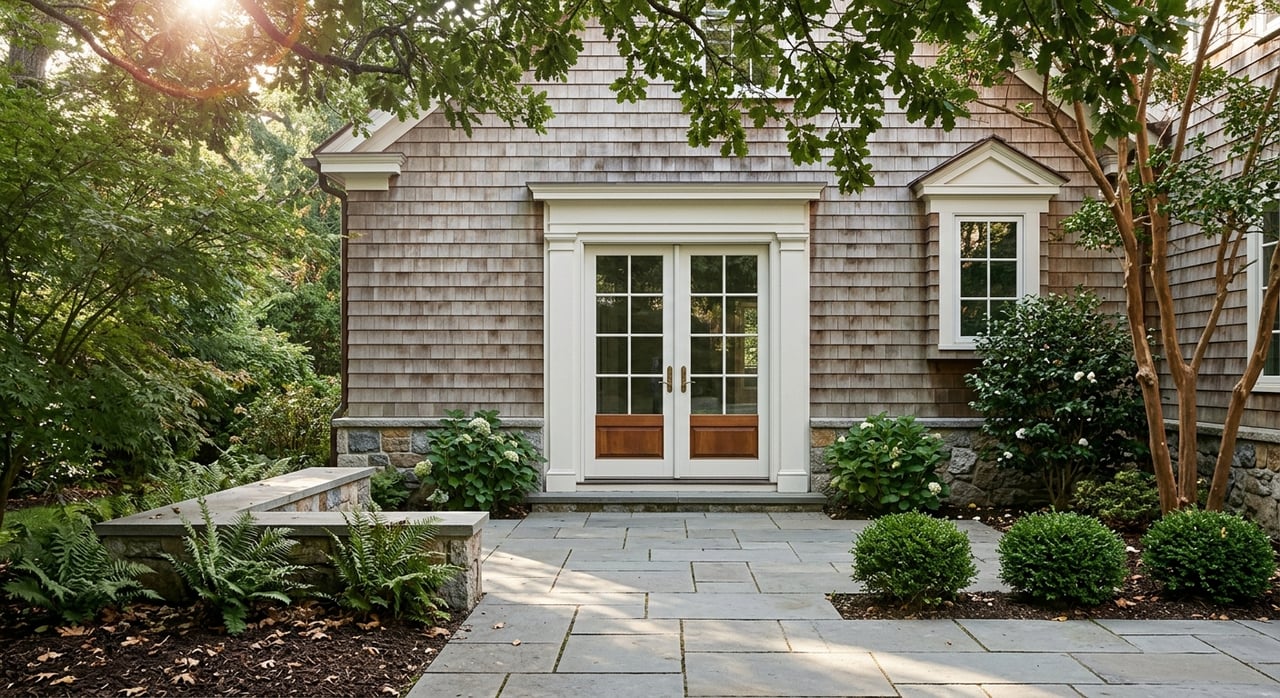
If you want a Silicon Valley address that feels quieter, greener, and a little more tucked away, Saratoga tends to stand out fast. You may be comparing lifestyle, school options, commute patterns, and home styles all at once, especially if you are planning a move-up purchase or a long-term relocation. This guide will help you understand what daily life in Saratoga actually looks like, from winery heritage and village amenities to school boundaries and woodland living. Let’s dive in.
What Saratoga Feels Like
Saratoga is a small residential city of about 31,000 people with a distinctly calm, low-density feel. The city describes it as a place with prestigious neighborhoods, a semi-rural ambiance, and a strong connection to parks, trails, and historic character, which gives you a good snapshot of the setting before you ever tour a home. You can read more on the City of Saratoga community overview.
What makes Saratoga different from many Silicon Valley locations is the blend of residential privacy and village-centered activity. You are not looking at a dense urban environment. Instead, you get a setting shaped by mature trees, hillside streets, open space, and a downtown district that still feels local.
Village Life in Saratoga
The heart of town is The Village along Big Basin Way. According to the city, this area includes restaurants, shops, galleries, coffee houses, parks, trails, and historic buildings dating back to the late 1800s and early 1900s. That gives the downtown a more established and walkable feel than you might expect in a primarily residential community.
For many buyers, this matters because Saratoga’s social life is not built around high-rise density or major retail centers. It is built around a smaller downtown, community events, and a rhythm that feels more relaxed. Seasonal traditions like Saratoga Nights, the Holiday Tree Lighting, and the Holiday Wine Stroll help reinforce that local identity.
The city calendar also points to recurring community events, including Saratoga Nights and other village gatherings. If you value a place where community activity feels intentional rather than crowded, Saratoga often checks that box.
Wineries Shape Saratoga’s Identity
Saratoga’s wine roots are not just branding. They are part of the city’s history and physical landscape. City heritage materials describe Saratoga as having evolved from a frontier town into an agricultural hub with orchards and vineyards, and they note an extensive vineyard district in the foothills.
That agricultural legacy still shows up today. The city says there are five local wineries in the foothills, and the Heritage Orchard materials note that Saratoga’s orchard remains one of the few surviving orchards in the Bay Area. For buyers who want a town with a stronger sense of place, this kind of continuity matters.
The Mountain Winery
The best-known winery destination in Saratoga is The Mountain Winery. Its official site describes the property as a historic vineyard in Saratoga and notes wine tasting from Friday through Sunday, along with concerts and events in the Santa Cruz Mountains foothills.
That combination gives Saratoga a lifestyle edge that feels distinct from nearby communities. You are not just near dining and shops. You are also close to a long-standing wine and entertainment destination that ties directly into the area’s hillside character.
Wine Culture Is Still Active
Saratoga’s winery story is still evolving. The city approved House Family Vineyards in 2025, including a tasting room and subterranean wine cave, showing that winery uses remain an active part of the hills above town.
For you as a buyer, this means Saratoga’s wine-country feel is not only historical. It is still part of the living character of the community, especially in and around the foothills.
Parks, Trails, and Woodland Setting
Saratoga also stands out for open space. The city highlights 14 parks, numerous trails, Villa Montalvo, and Hakone Gardens, which it describes as one of the oldest Japanese estates and gardens in the Western Hemisphere. Those amenities help define the lifestyle as much as the housing itself.
If you enjoy walking trails, hillside scenery, or simply having more natural surroundings close to home, Saratoga offers more of that than many nearby Silicon Valley markets. This is one reason the city appeals to buyers who want breathing room without leaving the region.
Quarry Park and Trail Access
Quarry Park is a 64-acre city park located about two miles west of downtown on Highway 9. The city says it was acquired with conservation protections and now improves trail connectivity.
That trail access extends beyond the park itself. Saratoga also completed the Saratoga to the Sea trail connection, linking Quarry Park to Sanborn County Park and the broader Santa Cruz Mountains corridor. If outdoor access is part of your home search criteria, this is a meaningful quality-of-life feature.
School Boundaries Matter in Saratoga
Schools are one of the biggest reasons buyers focus on Saratoga, but this is also where many people need the clearest guidance. School assignment is not uniform across the city. In practice, that means you should verify district and school attendance based on the specific property address, not just the city name.
According to Saratoga Union School District boundary information, residences in Saratoga may feed into four different TK-8 districts: Campbell, Cupertino, Moreland, and Saratoga Union. Within Saratoga Union, elementary enrollment is open among Argonaut, Foothill, and Saratoga Elementary, and all students in the district attend Redwood Middle School.
For high school, the Los Gatos-Saratoga Union High School District enrollment page says the district serves Saratoga, Los Gatos, Monte Sereno, and nearby parts of Campbell, San Jose, and Santa Cruz, and includes Saratoga High School and Los Gatos High School.
What This Means for Buyers
If school access is part of your decision, property-level verification is essential. Two homes in Saratoga can offer a similar feel but have different school assignments.
That is why many buyers benefit from a more exact, address-by-address review before they fall in love with a home. It helps you match location, housing style, and school geography from the start instead of trying to sort it out later.
Saratoga Housing at a Glance
Saratoga remains a detached-home market first. City housing data shows that in 2020, 83.8% of units were single-family detached, 7.0% were single-family attached, 3.4% were multifamily 2 to 4 units, and 5.8% were multifamily 5 or more units. Most homes were built between 1960 and 1979, according to the city’s housing needs data appendix.
For you, that usually translates into more traditional residential streets, larger lots in many areas, and fewer attached-home choices than in other Silicon Valley cities. If you are downsizing from a larger property, that housing mix can narrow your options. If you are moving up and want space, it may be part of the appeal.
Flexibility for Changing Needs
Saratoga does offer some adaptability. The city says accessory dwelling units are allowed on many residential properties, and some single-family homes may be converted into duplexes or triplexes under city rules.
That can matter if you are planning for multigenerational living, guest space, or long-term flexibility. It is one more reason to look beyond square footage and consider how a property might work for you over time.
Commute and Daily Rhythm
Saratoga is still largely car-oriented. A 2024 fair housing assessment says 65% of residents drove alone to work in 2021, while less than 1% used public transportation for commuting. Regional access is shaped mainly by SR 85, I-280, and SR 17, and VTA materials include Route 57 Bowers-Saratoga.
In other words, Saratoga often works best for buyers who are comfortable with a drive-based routine. The tradeoff is that you get a quieter residential setting, more open space, and a downtown that feels more village-like than commercial.
For many households, that balance is the point. You are choosing a calmer home base while staying connected to the larger Silicon Valley job market.
Woodland Living Comes With Responsibilities
Saratoga’s wooded and hillside setting is beautiful, but it also requires practical planning. The city notes that its western hillsides fall within a Wildland Urban Interface and that Saratoga is one of six Santa Clara County communities with Very High Fire Hazard Severity zones. You can review the city’s fire prevention information for details.
If you are considering a hillside or more wooded property, defensible space and fire-hardening should be part of your evaluation. This is not necessarily a reason to rule out those homes. It is simply part of understanding the ownership responsibilities that come with the setting.
Questions to Ask About Hillside Homes
When you tour a hillside property, consider asking about:
- Defensible space maintenance
- Roof and exterior materials
- Access routes and driveway conditions
- Vegetation management around structures
- Any recent fire-hardening improvements
A clear view of these factors helps you weigh lifestyle benefits against ongoing upkeep.
Who Saratoga Fits Best
Saratoga often appeals to buyers who want a residential setting with more privacy, more land, and a stronger connection to open space. It can be especially attractive if you value detached homes, village amenities, and a location with established identity rather than newer master-planned development.
It can also fit buyers who are comfortable trading some convenience for a calmer atmosphere. Compared with more urban or condo-heavy markets, Saratoga may offer fewer attached-home choices and a stronger need for property-specific due diligence, especially around school boundaries and hillside conditions.
How to Approach a Saratoga Move
If you are considering Saratoga, the best first step is to get specific about your priorities. Are you focused on school assignment, commute access, lot size, village proximity, or a more tucked-away hillside environment? Once those priorities are clear, the search becomes much more efficient.
That is also where experienced local guidance matters. In a market like Saratoga, the details that affect value are often hyperlocal, including street feel, school geography, property condition, and how a home balances privacy with access.
If you are thinking about buying or selling in Saratoga, Saundra Leonard can help you evaluate the tradeoffs, understand the micro-market, and make a confident plan tailored to your goals.
FAQs
What is daily life like in Saratoga, CA?
- Saratoga offers a quiet, residential lifestyle centered around The Village, local events, parks, trails, and a semi-rural setting with mature trees and foothill scenery.
What wineries are located in Saratoga, CA?
- Saratoga is known for its wine heritage, including The Mountain Winery, and the city reports multiple wineries in the foothills that reflect its agricultural past and present.
How do school boundaries work in Saratoga, CA?
- School boundaries vary by address, and Saratoga homes may feed into different TK-8 districts, so you should verify school assignment property by property.
What types of homes are most common in Saratoga, CA?
- Single-family detached homes make up the large majority of Saratoga housing, with fewer attached and multifamily options than many nearby Silicon Valley communities.
What should buyers know about hillside homes in Saratoga, CA?
- Buyers should understand wildfire preparedness, including defensible space and fire-hardening, because parts of Saratoga’s western hillsides are in a Wildland Urban Interface and Very High Fire Hazard Severity zones.
Is Saratoga, CA a good fit for Silicon Valley commuters?
- Saratoga can work well for commuters who are comfortable with a car-based routine and want a quieter residential setting with access to SR 85, I-280, and SR 17.