
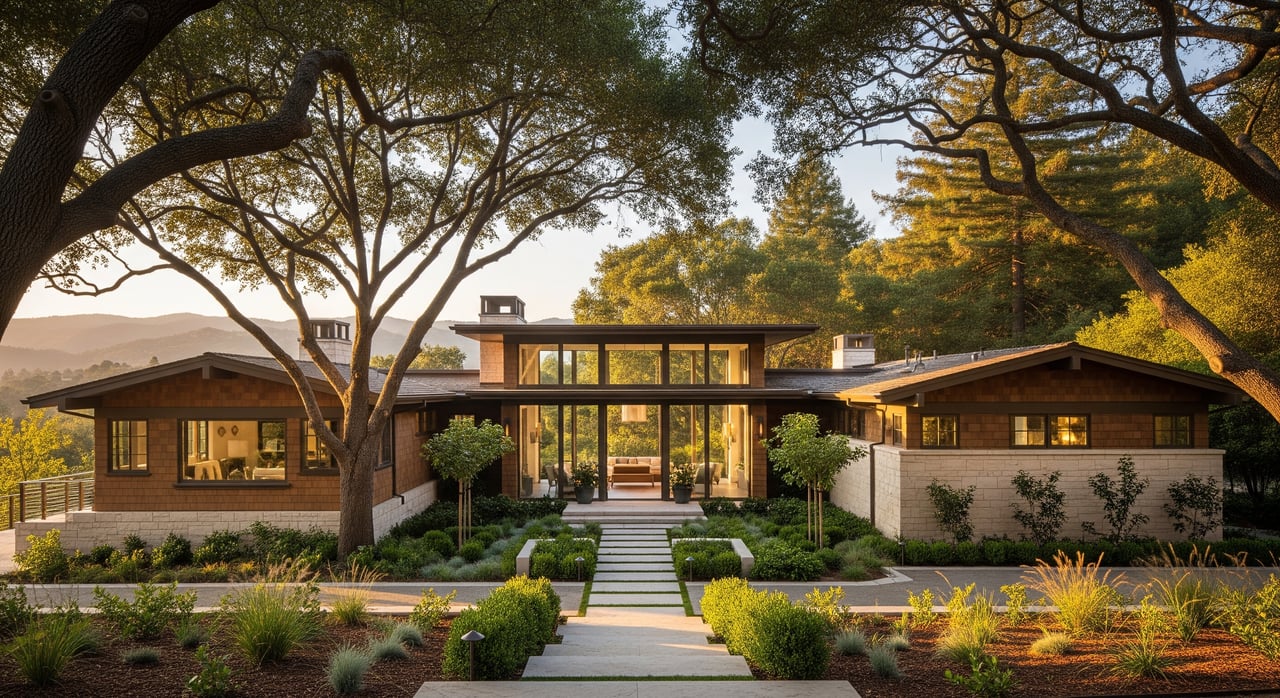
Are you wondering how to price your Los Altos home without leaving money on the table or risking a low appraisal? You are not alone. With high equity and a complex market, you want a number that attracts strong buyers and also stands up to lender scrutiny. In this guide, you will learn a clear, appraisal-informed process tailored to Los Altos and Los Altos Hills so you can list with confidence and protect your net. Let’s dive in.
Why pricing in Los Altos is different
Los Altos and Los Altos Hills are neighboring markets, but they behave differently. Los Altos offers smaller lots, consistent neighborhoods, and strong demand near downtown, parks, and commuter routes. Los Altos Hills features larger parcels, more privacy, and custom homes where direct comparisons are harder to find.
Micro-markets matter. Walk-to-downtown pockets, the Country Club area, Loyola Corners, and edges near Mountain View or Cupertino can show different price patterns. School attendance boundaries and commute access influence many buyers’ search areas and urgency, which affects pricing and time on market.
Seasonality plays a role, but high-end listings often follow their own rhythm. Track local months of supply, active listings, and days on market for your specific neighborhood. County-wide stats are helpful context, but the street-level story usually determines your final price.
How appraisers value your home
Sales comparison approach
For single-family homes, appraisers primarily use the sales comparison approach. They locate recent, comparable closed sales and adjust for differences in lot size, square footage, age, condition, upgrades, views, and amenities. The closer the match, the more reliable the comparison.
What counts as a true comp
Appraisers prefer recent closings, typically within the past 3 months in active segments. In slower or luxury segments, they may look back 6 to 12 months. Location is critical. Appraisers start within the same neighborhood and only expand outward when needed, documenting why they did so. They prioritize homes with similar size, lot characteristics, bedroom and bath counts, and quality of upgrades.
Common local challenges
Los Altos Hills properties often lack direct comps because of varied lot sizes and custom builds. In both Los Altos and the Hills, rapidly shifting market conditions can make older comps less reliable. Non-permitted improvements or undocumented renovations may trigger downward adjustments, even if the work is high quality. Unique features like exceptional views or complex terrain also complicate comparisons.
Appraisal vs buyer offer
If a buyer uses financing, the lender will base the loan on the appraised value. If the appraisal lands below the contract price, the buyer must bring extra cash, you may renegotiate, or the deal could cancel. Cash buyers are less constrained, but many still order appraisals for their own peace of mind.
A step-by-step pricing method
Scope your micro-market
- Map your home to its micro-market, including the street block, school boundaries, and adjacent pockets.
- Pull recent closed sales, pending sales, and current actives within the most similar area possible.
- Start with the past 3 months. If you do not find enough data, extend to 6 to 12 months and note why.
Select the right closed comps
- Focus on closed sales first, since appraisers rely on them.
- Choose 3 to 6 strong comps plus 3 to 6 backups that are older or slightly less similar.
- Include any documented off-market sales if they closed recently and were arm’s length.
Document condition and permits
- Record square footage, lot size, bedroom and bath counts, garage type, and any outdoor features.
- Gather permits, invoices, and completion dates for renovations and additions.
- Flag meaningful differences, such as an added bedroom, a finished ADU, or premium lot attributes.
Build an appraisal value range
- Derive a realistic lower, median, and upper range from your comp basket.
- Adjust for time if the market has moved since those sales closed.
- Plan around the range, since most appraisals will land within it.
Set your list price strategically
- Conservative approach: list near the middle of the appraisal range to draw interest and reduce appraisal risk.
- Aggressive approach: list above the upper end if you can wait and are prepared for appraisal resistance. This may work best with buyers who can waive appraisal contingencies or pay cash.
- Underpricing to spark bidding can work in very low inventory and high demand, but it carries risk if the winning price exceeds what an appraiser can support.
Consider a pre-list appraisal or BPO
- A pre-list appraisal mirrors lender-style valuation and sets realistic expectations, especially for unique or high-value properties.
- A competitive market analysis from an experienced local agent is a cost-effective baseline. Combining both is helpful when appraisal shortfall risk is high.
Practical strategies to protect your price
Pricing mechanics and buyer psychology
- Use search bands wisely. Pricing at or just below a round threshold can place your home in more buyer searches.
- Watch your neighborhood’s typical list-to-sale patterns to gauge how assertive you can be.
Handling appraisal gaps
- Upfront: verify buyer pre-approvals, and consider offers with appraisal-gap language that specifies how much shortfall a buyer will cover.
- After an offer: you can negotiate a small credit, adjust the price, or use escalation with appraisal protections.
- If you need to move on a fixed timeline, build potential gap coverage into your net proceeds plan.
Read the market in days 7 to 14
- Track showings, agent feedback, and offer volume in the first two weeks.
- If activity is soft or feedback points to price, swift adjustments reduce stigma and keep momentum.
- If activity is intense, hold steady and let the market set the pace.
Tactics for unique properties
- Invest in high-quality photography, aerials, and detailed site plans to convey lot value.
- Prepare a one-sheet for appraisers and buyers that summarizes recent permitted improvements and comparable lot sales.
- Allow a longer marketing window and a broader comp radius. Unique homes often require patience and targeted outreach.
Prepare documentation for appraisers
- Provide invoices and permits for recent upgrades.
- Share a clean comp packet with explanations for adjustments.
- Include maps or surveys if privacy, open space, or special lot features drive value.
Timeline and checklist before you list
- 6 to 12 months out: assemble your team, pull permit records, and order a pre-list inspection to spot issues early. Consider a pre-list appraisal if your home is unique or high value.
- 1 to 3 months out: finalize comps, align strategy with local inventory and season, and confirm whether you will accept appraisal contingencies.
- Launch day: share your comp packet and improvement documentation with buyer agents and appraisers, and monitor activity closely for early course corrections.
Risks, taxes, and negotiation basics
Appraisal shortfalls can delay closings or force price and term changes. Discuss your flexibility on price versus concessions, and weigh the strength of a buyer’s financing or cash against your risk tolerance. Capital gains rules, property tax transfer options, and local transfer costs can impact your net, so speak with your tax advisor, the county assessor, and your escrow team for personal guidance.
Ready to price with confidence?
You can set a smart, compelling list price and still pass the appraisal test. By anchoring your number to the right comps, documenting improvements, and planning for appraisal scenarios, you reduce surprises and protect your equity. If you want a tailored, appraisal-informed plan for your home, connect with Saundra Leonard to Schedule a Private Consultation.
FAQs
How do school boundaries influence pricing in Los Altos?
- Many buyers filter searches by specific attendance areas, which can affect demand and time on market, so confirm boundaries and reflect them accurately in your pricing strategy.
Should I underprice to create a bidding war in Los Altos?
- It can work in very low-inventory, high-demand moments, but if winning offers exceed what appraisers can support, you may face appraisal gaps that require careful negotiation.
What if my Los Altos Hills appraisal comes in below the offer price?
- You and the buyer can renegotiate price or credits, the buyer can add cash to bridge the gap, or either party can cancel under contingency terms if not resolved.
Is a pre-list appraisal worth it for a unique property?
- Yes, for custom or estate homes with few direct comps, a pre-list appraisal can align expectations and reduce the chance of surprises during escrow.
How soon should I adjust price if showings are slow?
- Review data and feedback within the first 7 to 14 days; if activity is light and signals point to price, a prompt, measured adjustment helps regain momentum.